
Introduction
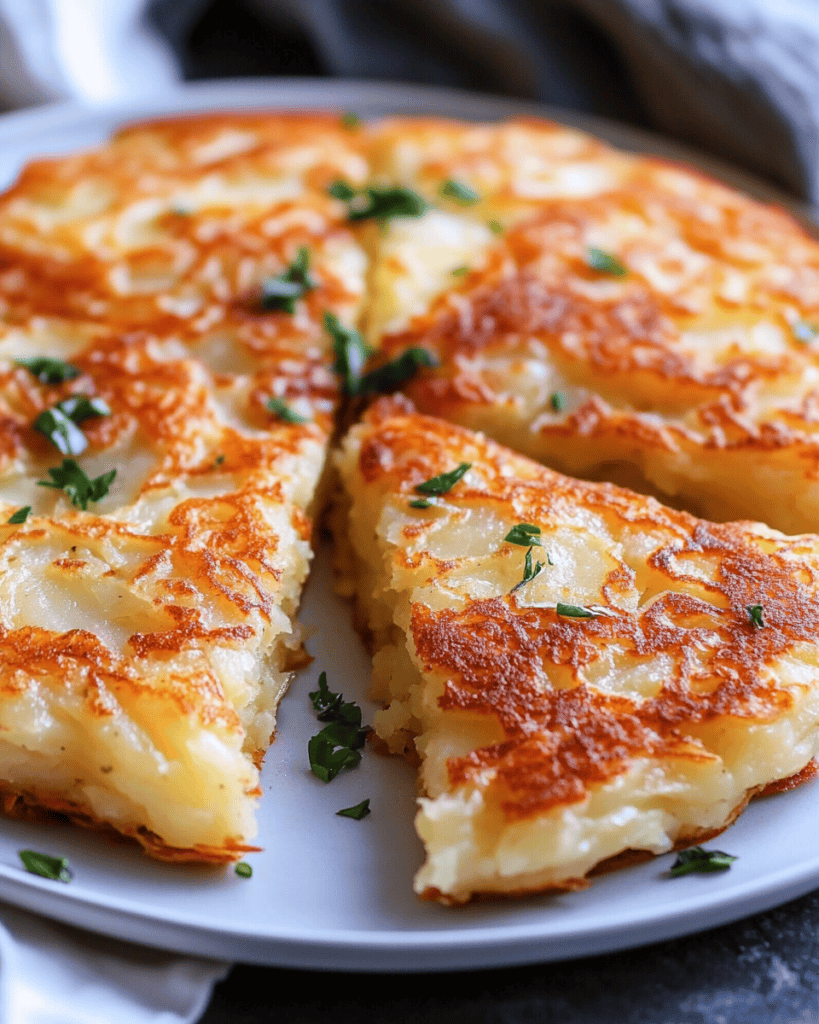
German Potato Pancakes, known as Reibekuchen in Germany, are a deliciously crispy and savory dish enjoyed throughout the year but especially popular in the colder months and during festive events like Christmas markets. These pancakes, made with grated potatoes, onions, and a handful of simple seasonings, are typically served with sour cream or applesauce, but their versatility extends far beyond these classics.

Whether you’re looking for a hearty side dish, a crispy snack, or a main course, these German Potato Pancakes deliver on taste and texture. This traditional recipe hails from Germany, where it’s common to find Reibekuchen being served fresh at outdoor markets or in family kitchens, often alongside a refreshing drink or a savory meat dish. With just a few ingredients and easy steps, you can recreate this crowd-pleasing treat at home.
In this post, we’ll walk you through the process of making German Potato Pancakes, explore variations, and offer tips on how to store and reheat them. Let’s dive in!
Ingredients
Creating authentic German Potato Pancakes requires only a few staple ingredients, many of which you probably already have in your kitchen. Here’s everything you need to get started:

- 4 medium-sized potatoes (about 2 pounds), peeled and grated
- 1 medium onion, finely grated or chopped
- 1 large egg
- 1/4 cup all-purpose flour
- 1 tablespoon cornstarch (optional for extra crispiness)
- 1 teaspoon salt (adjust to taste)
- 1/4 teaspoon black pepper
- 1/4 teaspoon garlic powder (optional)
- 1/2 teaspoon dried thyme or parsley (optional)
- 1/4 cup vegetable oil (for frying)
- Sour cream or applesauce (for serving)
Notes on Ingredients:
- Potatoes: Russet potatoes are the best option for this recipe due to their high starch content, which helps create a crispy exterior while keeping the inside fluffy. However, you can also use Yukon Gold potatoes for a creamier texture, although they won’t crisp up as much.
- Onions: The onions provide a subtle sweetness and depth of flavor to the pancakes. Grated or finely chopped onions work well, but if you prefer a milder taste, you can sauté them beforehand.
- Eggs: The egg acts as a binder, helping hold the pancake mixture together. If you prefer a vegan version, we’ll discuss alternatives later in the variations section.
Directions
Step 1: Prepare the Potatoes and Onions
Start by peeling the potatoes and grating them into thin shreds. You can use a box grater or a food processor for this step, depending on the texture you prefer. The finer you grate the potatoes, the smoother your pancakes will be. However, if you like a bit of bite and texture in your pancakes, opt for a coarser grate.
Once the potatoes are grated, it’s essential to remove excess moisture. Place the grated potatoes in a clean kitchen towel or cheesecloth and squeeze out as much liquid as possible. This step is crucial for achieving crispy pancakes. The less moisture in the potatoes, the crispier the final result will be.
Next, finely grate or chop the onion and add it to the shredded potatoes. Mix them together until evenly combined.
Step 2: Mix the Batter
In a large mixing bowl, combine the grated potato-onion mixture with the egg, flour, cornstarch (if using), salt, pepper, and any optional seasonings you prefer (garlic powder, thyme, or parsley). Stir everything together until the ingredients are well incorporated.
At this stage, the batter should be thick enough to hold its shape but still moist. If it seems too runny, add a little more flour to thicken it up. If it’s too thick, you can add a tablespoon of water to loosen it.
Step 3: Heat the Oil
Next, heat the vegetable oil in a large skillet or frying pan over medium-high heat. You need enough oil to cover the bottom of the pan and allow the pancakes to fry without sticking. The oil should be hot but not smoking when you add the batter.
If you want to test if the oil is ready, drop a small amount of batter into the pan. If it sizzles and immediately starts to cook, the oil is hot enough.
Step 4: Fry the Pancakes
Once the oil is hot, scoop about 2 tablespoons of the potato mixture for each pancake. Drop it carefully into the skillet, then use the back of the spoon or a spatula to flatten the mound into a thin, round pancake.
Fry the pancakes for about 3-4 minutes on each side or until golden brown and crispy. Keep an eye on the heat – you don’t want the pancakes to burn before they cook through. If the pancakes are browning too quickly, reduce the heat slightly.
Once the pancakes are crispy and golden brown on both sides, use a slotted spoon to remove them from the skillet and place them on a plate lined with paper towels to absorb any excess oil.
Step 5: Serve
Serve the pancakes hot, paired with your favorite toppings. Traditional options include sour cream or applesauce, but feel free to get creative. Smoked salmon, fresh herbs, or even a dollop of mustard are popular variations in Germany.
Servings and Timing
- Servings: This recipe makes around 12-15 pancakes, depending on the size you make. This should be enough to serve 4-6 people as a side dish, or 2-3 people as a main course.
- Prep Time: 15 minutes (excluding potato draining time).
- Cook Time: 20-25 minutes.
- Total Time: 40-45 minutes.
Variations
While the traditional version of Reibekuchen is delicious, there are plenty of ways to customize the recipe to suit your taste. Here are some fun variations to try:
1. Sweet Potato Pancakes
- If you’re a fan of sweet potatoes, you can easily swap out the regular potatoes for sweet potatoes. This variation adds a slightly sweeter and more vibrant flavor to the pancakes. You may need to adjust the cooking time slightly, as sweet potatoes can cook a little faster.
2. Vegan German Potato Pancakes
- For a vegan-friendly version of this recipe, substitute the egg with a flax or chia egg. To make a flax egg, mix 1 tablespoon of ground flaxseeds with 3 tablespoons of water, then let it sit for 5 minutes to thicken. You can also use plant-based oil for frying.
3. Cheese and Onion Pancakes
- Add a handful of grated cheese (cheddar, Swiss, or Gouda work well) into the potato mixture for a cheesy twist. This adds extra richness and flavor to your pancakes.
4. Bacon or Ham
- Crumbled bacon or diced ham can be added to the batter for a savory, meaty touch. This variation is especially popular in some regions of Germany, where hearty ingredients like meat and potatoes are a staple.
5. Spicy Reibekuchen
- For a little heat, try adding finely chopped jalapeños or a pinch of cayenne pepper to the batter. This will give the pancakes a spicy kick that pairs well with sour cream.
6. Herb Infused Pancakes
- Fresh herbs like chives, dill, or parsley can be mixed into the batter to add brightness and flavor. These herbs complement the savory nature of the pancakes and can make them feel even fresher.
7. Gluten-Free Version
- If you’re following a gluten-free diet, you can replace the all-purpose flour with a gluten-free flour blend. Just ensure the flour you choose can provide the same binding properties as regular flour. Cornstarch is naturally gluten-free, so it can be used without worry.
Storage and Reheating
Storing:
- In the Fridge: If you have any leftover potato pancakes, you can store them in an airtight container in the fridge for up to 3 days. To prevent them from getting soggy, place a paper towel at the bottom of the container to absorb excess moisture.
- In the Freezer: For long-term storage, you can freeze the pancakes. Lay them flat on a baking sheet and freeze until solid, then transfer them to a freezer-safe bag or container. They’ll keep for up to 3 months in the freezer.
Reheating:
- In the Oven: To restore the crispiness, preheat your oven to 375°F (190°C) and bake the pancakes for about 10 minutes, flipping them halfway through.
- In a Skillet: Heat a little oil in a skillet and fry the pancakes on both sides for 2-3 minutes to bring back their crispness.
- In the Microwave: If you’re in a hurry, you can microwave the pancakes for 30-60 seconds. While this will heat them through, they won’t be as crispy as when freshly fried.
10 FAQs About German Potato Pancakes
1. Can I use any type of potato for Reibekuchen?
- While Russet potatoes work best for their starchy content and crispiness, you can also use Yukon Gold potatoes for a creamier texture. Sweet potatoes are another great option for a slightly sweeter pancake.
2. Why do I need to squeeze out the moisture from the potatoes?
- The moisture in the grated potatoes needs to be removed so that the pancakes become crispy when fried. If there’s too much moisture, the pancakes will be soggy instead of crispy.
3. Can I make German Potato Pancakes ahead of time?
- Yes! You can prepare the pancakes ahead of time and store them in the fridge or freezer. Simply reheat them in the oven or on the stovetop to crisp them up before serving.
4. What is the best oil for frying potato pancakes?
- Neutral oils like vegetable oil, canola oil, or sunflower oil work best for frying because they have a high smoke point and won’t impart much flavor to the pancakes.
5. Can I make these pancakes without eggs?
- Yes, you can make a vegan version by replacing the egg with a flaxseed or chia egg. This will help bind the potatoes and flour together without the need for animal products.
6. How do I keep the pancakes warm if I’m serving a large group?
- If you’re cooking for a crowd, keep the pancakes warm in the oven at 200°F (93°C) while you fry the rest. You can also cover them loosely with foil to maintain heat.
7. Are German Potato Pancakes served hot or cold?
- These pancakes are best served hot, straight from the frying pan. The crispy texture is most pronounced when the pancakes are freshly cooked.
8. What are some common toppings for Reibekuchen?
- Common toppings include sour cream, applesauce, or even smoked salmon. You can also try serving them with a simple sprinkle of fresh herbs.
9. Can I make these pancakes in advance and freeze them?
- Yes! Freeze the pancakes after cooking and allow them to cool completely before storing them in the freezer. They’ll stay fresh for up to 3 months.
10. How do I make my potato pancakes extra crispy?
- To achieve extra crispy pancakes, make sure to remove as much moisture from the grated potatoes as possible. Using cornstarch in the batter also helps achieve that perfect crisp.
Conclusion
German Potato Pancakes, or Reibekuchen, are a classic comfort food that brings together the simplicity of potatoes and onions with a crispy, golden texture. Whether you serve them as a side dish, snack, or main course, these pancakes are sure to become a favorite in your kitchen. With a few easy-to-find ingredients and simple steps, you can enjoy this iconic German dish at home, perfecting it with different variations and toppings to suit your taste.